Cold Morning Layering Outfit Guide is a practical Sugargoo shopping guide for warm, removable layers for cold starts and more comfortable afternoons. It is designed for readers comparing Sugargoo best links, Sugargoo spreadsheet finds, QC-ready product ideas, and agent workflows. The objective is not to copy a single photograph or buy every item at once. It is to understand how individual garments communicate through color, proportion, texture, and function, then select the pieces that improve an existing wardrobe. This guide uses real Outfitreps listings as concrete references, with direct detail-page links so that every image, price, and product description can be checked at its source. Availability and pricing can change, so treat the current catalog as a starting point and verify the live page before making a decision.
Start with an outfit objective
Good outfit planning begins with a sentence that describes where the clothes will be worn, how long they need to remain comfortable, and what visual impression they should create. For this guide, the focus is warm, removable layers for cold starts and more comfortable afternoons. That sentence prevents random shopping because each candidate item must serve the same purpose. A tee may provide breathability, a half-zip may control warmth, and a jacket may solve wind or light rain. If two pieces solve exactly the same problem, compare them instead of automatically keeping both. The most useful wardrobe is rarely the one with the greatest number of garments; it is the one where most garments can work together without requiring a special purchase to complete a look.
Build the silhouette before choosing details
Silhouette is the large shape seen before a viewer notices a logo, stitch, or accessory. Decide whether the outfit should be straight, tapered, cropped, or intentionally oversized. When the top is loose and long, a very wide trouser can create a continuous column, while a straighter trouser can give the upper layer more emphasis. When both top and bottom are oversized, use a visible boundary such as a shorter jacket, a partial tuck, or a controlled hem so the body is not lost inside the clothing. The Outfitreps pieces below include several relaxed shapes, so compare the photographed shoulder width, sleeve break, rise, and leg opening rather than relying only on the size label.
Use a controlled color system
A reliable outfit normally begins with two foundation colors and one optional accent. Black, charcoal, cream, navy, olive, and washed grey are useful foundations because they connect easily across categories. An accent can come from embroidery, a hat, socks, or one graphic rather than every garment competing for attention. Product photos may be captured under different lighting, so compare multiple images and look for consistent color behavior near seams and folds. If a shade is critical to the plan, ask for or examine neutral-light QC images before deciding. A controlled palette also makes weekly rotation easier: the same trouser can support a graphic tee on one day, a knit on another, and a half-zip with a jacket when the temperature falls.
Choose fabric by role, not only appearance
Fabric weight and surface have a direct effect on comfort and shape. A light jersey tee can sit under several layers without restricting movement. Brushed fleece feels soft but occupies more space and may become too warm indoors. A structured knit holds a cleaner outline, while a loose sweat fabric creates a relaxed drape. Examine close photographs for pilling, uneven loops, thin ribbing, or transparent areas. Also consider maintenance: a delicate knit that requires careful drying may not be the best foundation for frequent travel, while a simple sweatshirt can be easier to repeat. The smartest selection balances visual interest with the reality of washing, storage, climate, and how often the item will enter the rotation.
Plan the base and mid layer
The base layer controls the neckline, the first visible color, and much of the temperature comfort. A short-sleeve tee is the most flexible option because it can be worn alone or beneath a half-zip, sweater, or jacket. The mid layer should add either warmth or texture without repeating the base layer's exact visual job. A stand-collar sweatshirt introduces a vertical neckline and can be opened slightly to reveal the tee. A jacquard sweater provides surface detail and a more composed finish. Before combining them, check total length: if the tee extends far below the mid layer, decide whether that contrast is intentional. Small length differences often look cleaner than a large accidental tail.
Select trousers that support the top half
Trousers determine how the outfit meets the ground and therefore how footwear will be perceived. Wide drawstring sweatpants provide comfort and movement, but their leg opening needs enough structure to avoid collapsing over the shoe. Review photos of the waistband, rise, side seam, knee, and hem. A long inseam can be useful for stacking, while a shorter break feels cleaner and shows more footwear. If the upper half contains a large graphic or heavy texture, simpler trousers can stabilize the result. If the top is minimal, volume or a visible drawstring may provide the necessary character. Measurements are more dependable than familiar size letters, so compare listed dimensions with a well-fitting pair already owned.
Add an outer layer with a clear purpose
An outer layer should improve the outfit when worn open and closed. A zip sweatshirt jacket is useful because it changes quickly with temperature and gives the front of the outfit a strong vertical line. Check whether the zipper lies flat, whether embroidery is level, and whether ribbed edges recover after being stretched. For warm, removable layers for cold starts and more comfortable afternoons, the outer layer should leave enough room for the selected mid layer without creating tight folds at the shoulders. It should also be easy to carry when removed. If the outer layer is visually loud, keep the tee and trousers quieter. If it is plain, accessories or a textured knit can carry more of the visual interest.
Finish with accessories that repeat a signal
Accessories work best when they repeat something already present. A cap can echo the dark tone of a trouser, socks can repeat a light graphic, and a watch can introduce a clean technical element. Repetition makes a combination feel intentional without requiring exact color matching. Accessories also offer practical value: a cap controls sun exposure and hair, socks affect comfort and the trouser-to-shoe transition, and a watch can reduce the need to handle a phone. Avoid adding every accessory simply because it is available. Begin with one functional choice, view the complete silhouette, and add a second only if the outfit still needs balance. The result should remain readable from a distance.
Eight Outfitreps products for this guide
The following selection contains eight live Outfitreps product references, exceeding the six-product minimum for every guide in this series. They are not presented as a required bundle. Instead, they form a working palette of base, mid, outer, lower, and accessory options. Open each detail page to inspect the latest images and information. A strong plan might use the tee, trousers, jacket, cap, socks, and watch, while another could replace the tee and jacket with the sweater and half-zip. The important step is preserving the relationship between layers rather than forcing all eight products into one outfit.
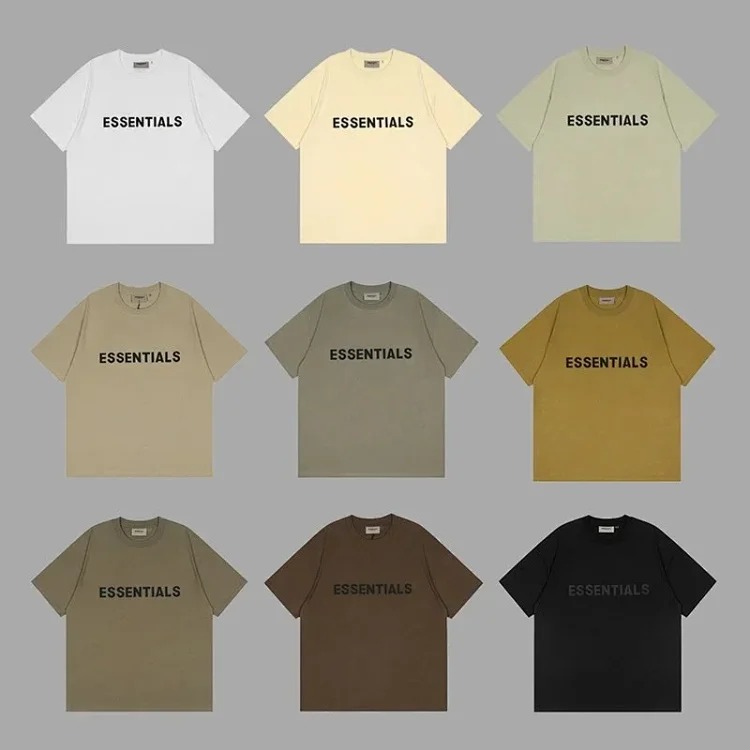
FOG Essentials Short-Sleeve T-Shirt
A loose graphic tee that works as the visual base of warm-weather and layered outfits.
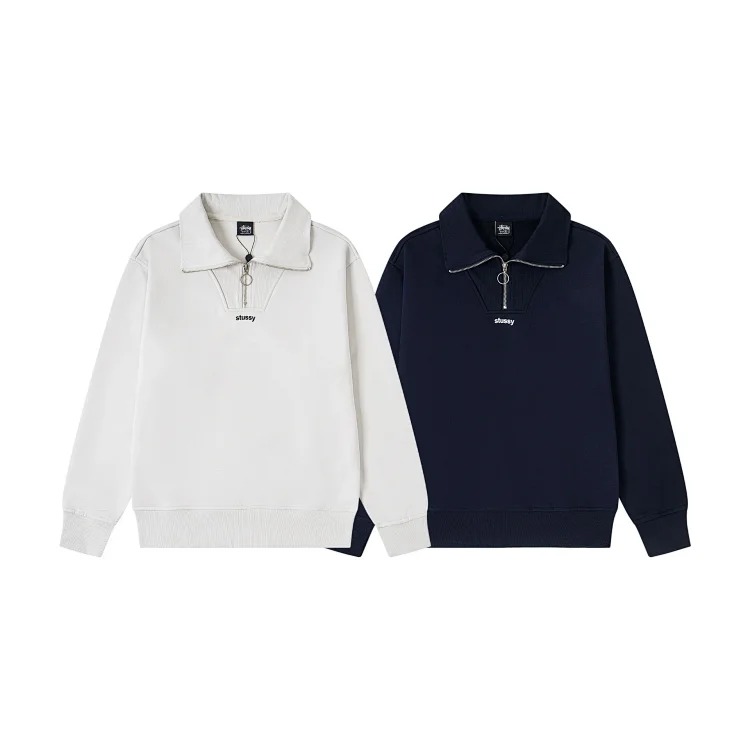
Half-Zip Stand Collar Sweatshirt
A straight, relaxed half-zip layer with an adjustable neckline and useful mid-weight profile.
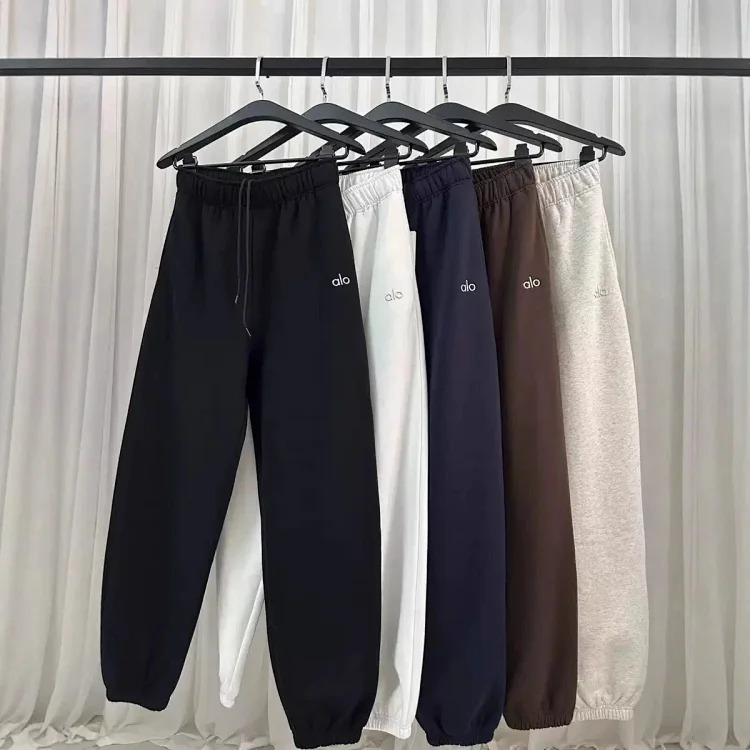
Wide-Leg Drawstring Sweatpants
Relaxed trousers that provide volume through the leg while keeping the waist easy to adjust.
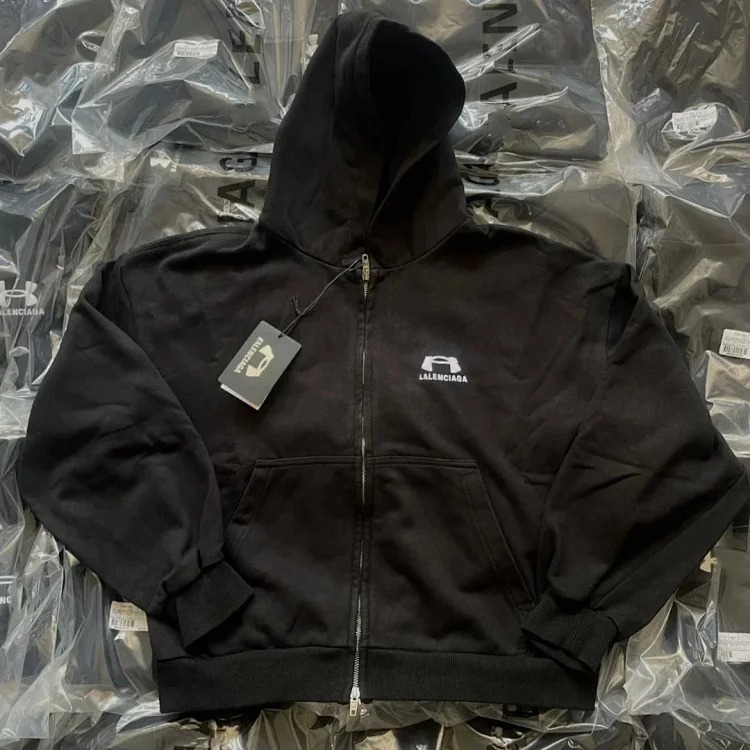
Embroidered Zip Sweatshirt Jacket
A zip-front outer layer that can be opened, closed, or removed as the temperature changes.
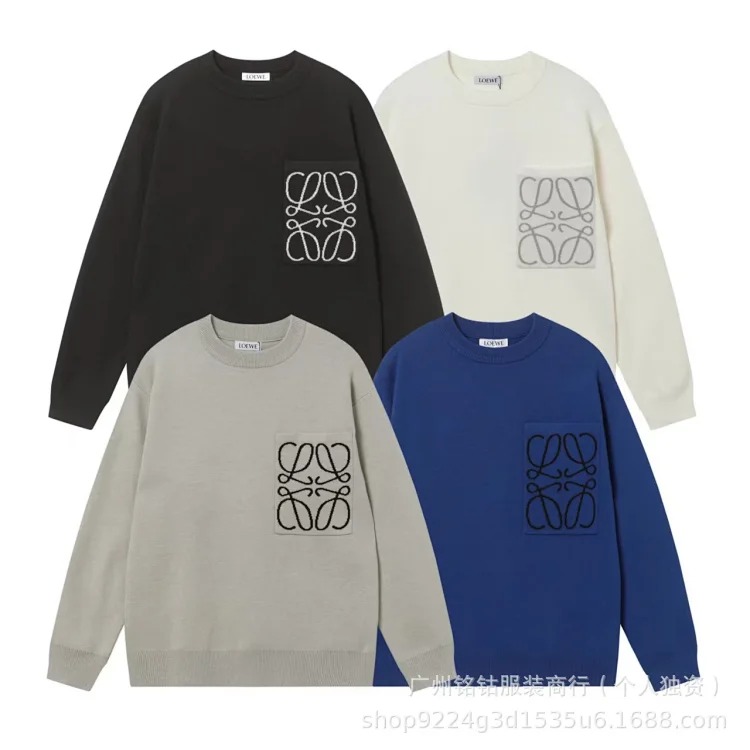
Jacquard Round-Neck Knit Sweater
A textured knit that introduces surface detail without requiring a loud color palette.
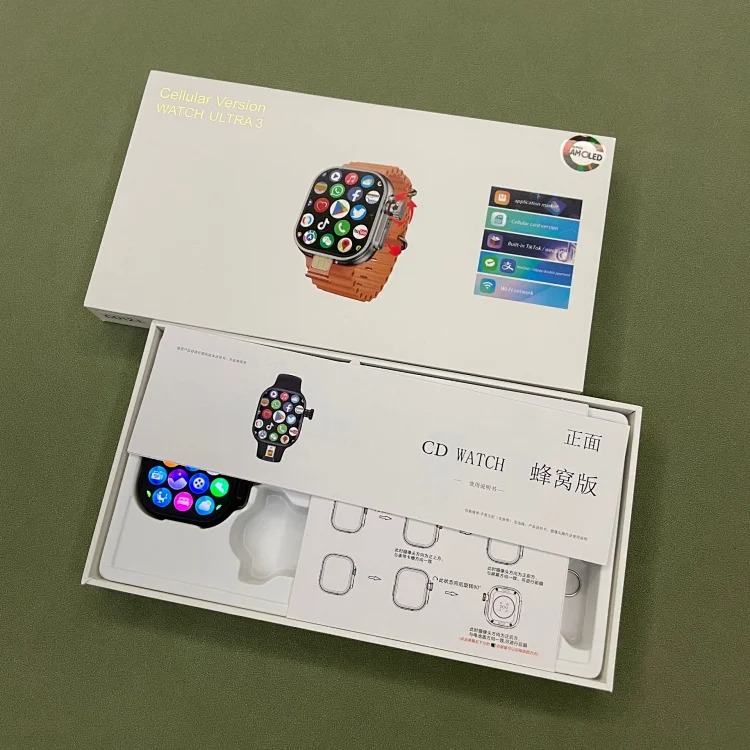
CD12 AMOLED Smart Watch
A functional wrist accessory that gives casual combinations a cleaner finishing point.
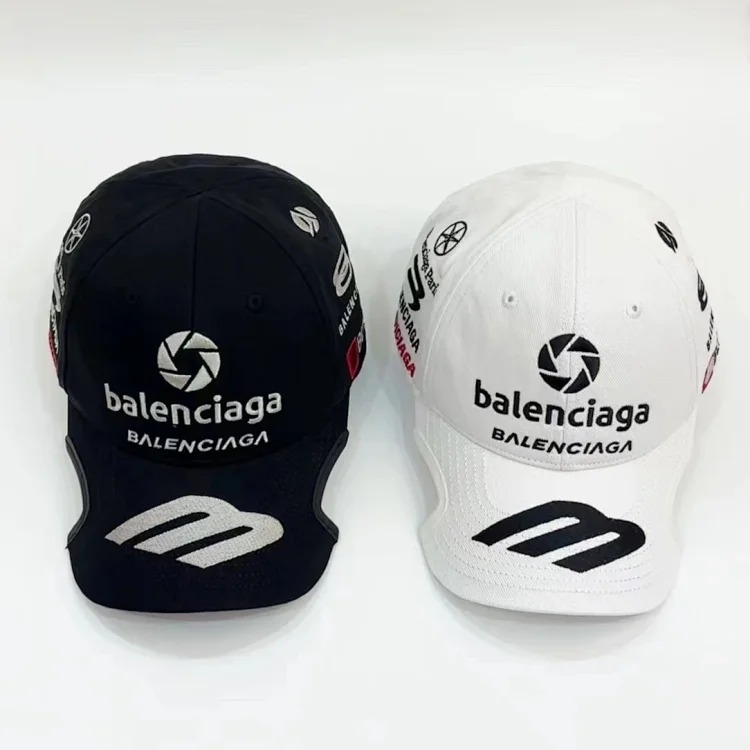
Embroidered Logo Baseball Cap
A low-effort top layer for the head that adds color control and practical sun coverage.
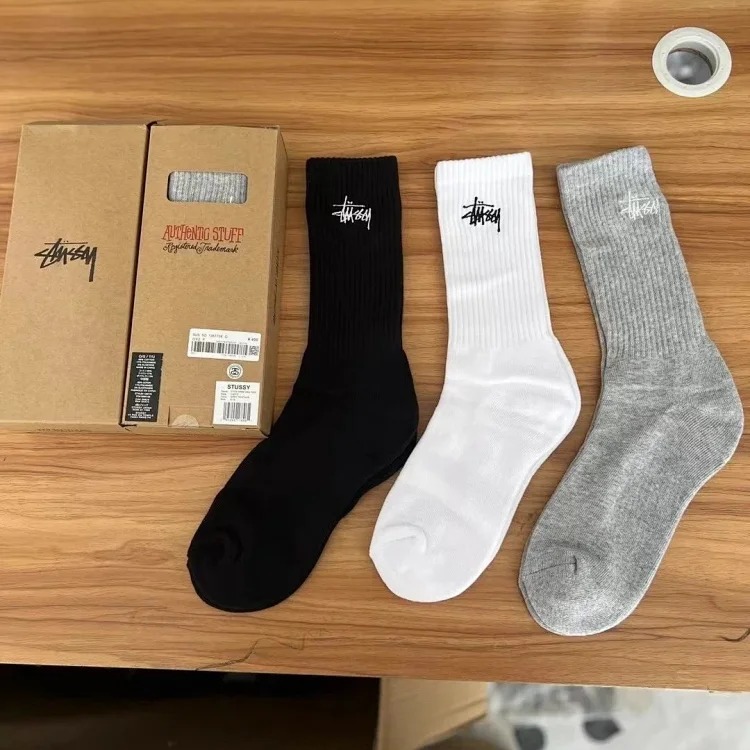
Stussy Three-Pair Sport Socks
A three-pair sock set that can repeat an accent color and visually connect trousers to footwear.
Read product photos like a QC checklist
Start with the overall front and back views, then move to the areas that reveal construction quality. On tops, inspect the neckline, shoulder seam, sleeve attachment, hem, embroidery placement, and print edge. On trousers, inspect the waistband, drawstring exit, pocket opening, rise seam, and both leg lengths. For accessories, check alignment, closure hardware, engraving, and scale. Compare symmetrical features side by side. Lighting can exaggerate or hide texture, so avoid judging from one dramatic photograph. Save the important reference images and compare them with warehouse QC photographs at a similar angle. If a flaw is visible, decide whether it affects durability, fit, or normal viewing distance rather than expecting every close-up to appear perfectly mechanical.
Check sizing with measurements
Size labels are only a starting point. Measure a garment that already fits well on a flat surface and compare chest width, body length, shoulder width, sleeve length, waist, rise, thigh, inseam, and hem opening where relevant. Allow for the intended silhouette: a fitted office layer and an oversized streetwear sweatshirt should not share the same target dimensions. Consider how many layers will sit underneath. A jacket measured correctly over a tee may become restrictive over a heavy sweater. Also account for fabric behavior after washing. Cotton can contract, knits can relax, and elastic waistbands can feel different from the listed flat measurement. When information is incomplete, favor the dimensions that are hardest to alter, such as shoulder and overall length.
Set a budget for the complete outfit
A product price is not the complete cost. The final budget may include domestic shipping, agent service, packaging, international shipping, and any local charges. Estimate those costs before treating a low catalog price as a bargain. Prioritize the pieces that will be worn most often and delay decorative additions until the core combination works. For warm, removable layers for cold starts and more comfortable afternoons, a versatile trouser, base tee, and useful outer layer usually create more value than several similar accessories. Consolidating compatible items can make shipping more efficient, but unnecessary purchases do not become efficient merely because they share a parcel. Keep a simple list of item price, estimated weight, role, and number of planned outfits to identify where the budget is producing real wardrobe value.
Prepare for shipping and arrival
Before shipping, verify the selected size, color, quantity, and visible QC details for every product. Ask for additional photographs only when they answer a specific unresolved question, such as a measurement, print alignment, label, or stain. Consider removing unnecessary packaging when it meaningfully reduces volume, but retain protective structures for delicate accessories. When the parcel arrives, record the condition before discarding packaging, compare the items with the approved QC images, and try on the complete combination in natural light. Wash or air items according to their material needs before placing them into regular rotation. A short arrival checklist turns product research into a repeatable process and provides better measurements for the next purchase.
Create a repeatable weekly rotation
The final test is whether the selected products can create several distinct outfits. Lay out the pieces and photograph combinations before removing tags or making additional purchases. Use the tee alone with trousers for the simplest version, add the half-zip for warmth, substitute the sweater for texture, and introduce the jacket when an outer boundary is needed. Rotate the cap, watch, and socks rather than wearing every accessory simultaneously. Note which proportions feel best while sitting, walking, and carrying a bag. A useful rotation should require few decisions on a busy morning. If one item works only with a single narrow combination, decide whether that special role is valuable enough to justify its place.
Final styling notes
Cold Morning Layering Outfit Guide works when every product has a defined role and the overall silhouette remains more important than any individual label. Begin with the environment, establish the proportions, control the palette, and then evaluate real product photographs with a measurement and QC checklist. Use the Outfitreps detail buttons above to verify current information rather than relying on a copied image or old price. The most successful result will not necessarily use the maximum number of pieces. It will use enough layers to meet the practical need, enough contrast to stay visually clear, and enough compatibility to return to the wardrobe week after week.